Through the momentum of the Supreme Court ruling, the government must come up with a creative proposal to fix the workhour limit that can please both employers and employees.
The Korean government plans to lift the 52-hour workweek cap for certain business sectors, such as manufacturing and construction, potentially increasing maximum working hours to 60 hours.
The government is planning to relax the 52-hour weekly work-hour maximum for certain industries and occupations. A survey showed that over 46 percent of the public supports increasing the overtime maximum by up to 12 hours.
As flexibility is key to labor reform, it must change the rigid 52-hour workweek more flexibly than before.
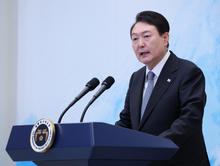
Confusion continues over Korea’s plan for an extended workweek, after President Yoon Suk Yeol proposed to keep weekly working hours below 60 — taking a step back from the original plan of allowing a maximum 69-hour workweek.
For the flextime to work, Korea’s work culture must change to encourage workers to use up their rightful rest period.
Rationalization of workhours are only a part of labor reform.
The government is having trouble making the rigid 52-hour workweek more flexible after labor unions and particularly young workers vehemently opposed it.
President Yoon Suk Yeol on Tuesday instructed the government to review the Labor Ministry's proposal to extend the maximum work week to 69 hours, especially taking heed to the opinions of younger people.
Korea JoongAng Daily Sitemap