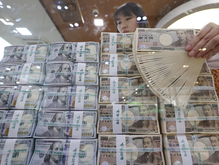
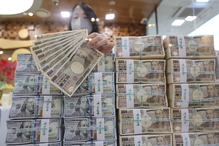
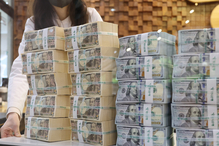
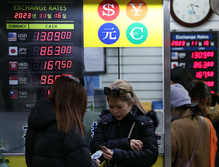
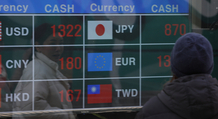
An Hana Bank employee checks yen and dollar sat Hana Bank's Counterfeit Notes Response Center in Jung District, central Seoul. The yen-to-dollar exchange rate stands at 155 yen, marking a record low for the first time in 34 years.
The finance ministers of Korea and Japan jointly addressed the recent drastic depreciation of their respective countries' currencies against the dollar, signaling potential market intervention on Tuesday.
The value of yen plummeted to a 34-year low against the dollar in New York Wednesday, falling below the 153 line.
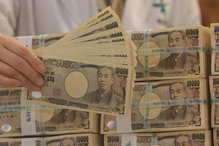
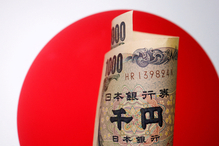
An employee holds yen bills at Hana Bank's Counterfeit Notes Response Center in Jung District, central Seoul on Wednesday.
This is why we should not just watch the popularity of tourism in the neighboring country.
Korean shoppers are heading to Japan to exploit the weak yen and hunt for luxury goods available at a more affordable price point than in Korea.
The Japanese yen depreciated in value to 151.92 yen against the dollar on Monday at the New York Foreign Exchange Market. This is the second lowest in value the yen has been after Oct. 21 last year, when it was traded at 151.94 yen to the dollar.
Korean investors are losing interest in Japan's stock market due to the country's economic slowdown and uncertain currency policy.
Korea JoongAng Daily Sitemap